Developing the next generation of investigators, building capacity and mentoring early career investigators has been one of the core strengths of Central Africa IeDEA. Capacity building and mentoring are essential strategies through which we continue to strengthen skills, improve scientific productivity and foster collaboration among investigators in the region. Through the Fogarty-IeDEA Mentoring Program (FIMP), our region continues to equip investigators with the tools, knowledge and resources they need to undertake cutting edge research to address the problem of HIV and AIDS and improve long term outcomes.
Since its inception in 2020 and now, 6 early and mid-career investigators from the Central African countries of Burundi, Cameroon, and Rwanda have participated in the FIMP program. In addition to supporting our investigators to participate in the FIMP program, the region has also provided leadership through Dr. Adedimeji who has served as Chair of the FIMP Working Group since 2023.
Profiles of the regions 6 participants are described below.
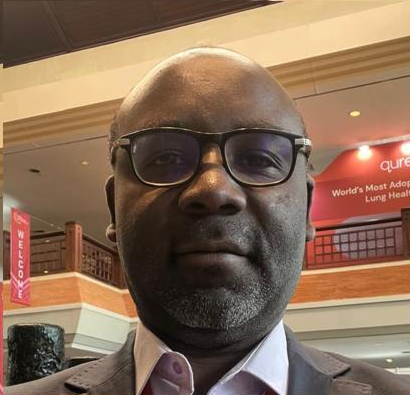
Eric Walter Pefura Yone, Cameroon
Dr. Pefura Yone coordinates IeDEA activities at the Jamot Hospital in Cameroon. A Doctor of Medicine with a PhD in public health, Dr. Pefura Yone is an Associate Professor of Internal Medicine and Pulmonology at the Faculty of Medicine and Biomedical Sciences of the University of Yaoundé 1, Cameroon. He heads the Pneumology Department at Yaoundé Jamot Hospital where he also serves as the Hospital Medical Advisor. His research interests include non-communicable diseases in individuals living with HIV and co-infections with tuberculosis. He is also interested in the analysis of large multicenter data.
Dr. Pefura Yone plans to train his research team in applying big data analytic techniques to the study of HIV infection and tuberculosis. For the Fogarty-IeDEA Mentorship Program, Dr. Pefura Yone’s research will focus on examining the prevalence and determinants of renal function impairment among adult patients newly initiating antiretroviral therapy within the Central Africa IeDEA cohort. In his planned research project, he will focus on patients aged 19 years and above who have pre-ART laboratory testing results for serum creatinine levels to explore socio-demographic, clinical, and behavioral factors associated with impaired renal function.
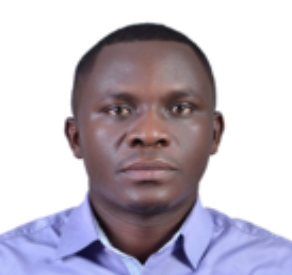
Charles Ingabire, Rwanda
Mr. Charles Ingabire is the qualitative research coordinator for the Einstein-Rwanda Research and Capacity Building Program (ER-RCBP) at the Rwanda Military Hospital and RD Rwanda (CA-IeDEA). He has a MSc. in Public Health from Clarke International University, Kampala Uganda and a bachelor’s degree in Clinical Psychology from the University of Rwanda. In addition to his formal education, Mr. Ingabire has training in qualitative and quantitative research techniques. Mr. Ingabire has worked in the area of HIV and AIDS, mental health and human rights since 2007, focusing primarily on vulnerable populations affected by HIV including adolescents and young adults, children, orphans, widows, and refugees, as well as interventions to address stigma and other barriers to care.
Under the Fogarty-IeDEA Mentorship Program, Mr. Ingabire led a qualitative analysis exploring the impact of HIV stigma on health service utilization under Treat All in Rwanda. The aim of the project was to understand the impact of HIV stigma on healthcare utilization from patients’ and healthcare providers’ perspectives. Specific objectives include exploring how stigma within the family, community and health center, along with internalized stigma, affect utilization of HIV services. His work was presented at Global IeDEA Meeting and AIDS2022 in Montreal, and the manuscript was published in BMC public health.
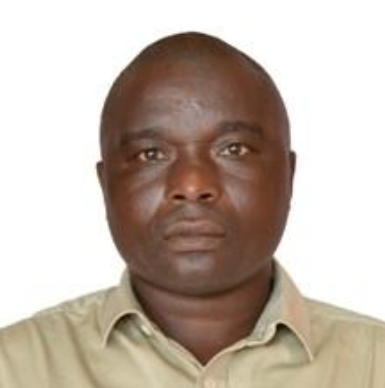
Faustin Kanyabwisha, Rwanda
Faustin Kanyabwisha is an investigator under the Central Africa IeDEA and serves as the Research Laboratory Coordinator for RD Rwanda’s Einstein-Rwanda Research Laboratory located at the Rwanda Military Teaching Hospital. He is a Medical Laboratory Scientist with advanced training in molecular biology, holds a Master’s degree in Public Health, and is currently pursuing a PhD in Biomedical Laboratory Sciences at the University of Rwanda. His research focuses on cervical cancer screening through High-Risk HPV genotyping, HPV serology to assess HPV vaccine effectiveness, and on the implementation of biobanking systems.
Faustin was a Fogarty-IeDEA Mentorship Program Mentee (Class of 2022–2024), where his work examined long-term specimen stability to validate the biobank storage conditions.
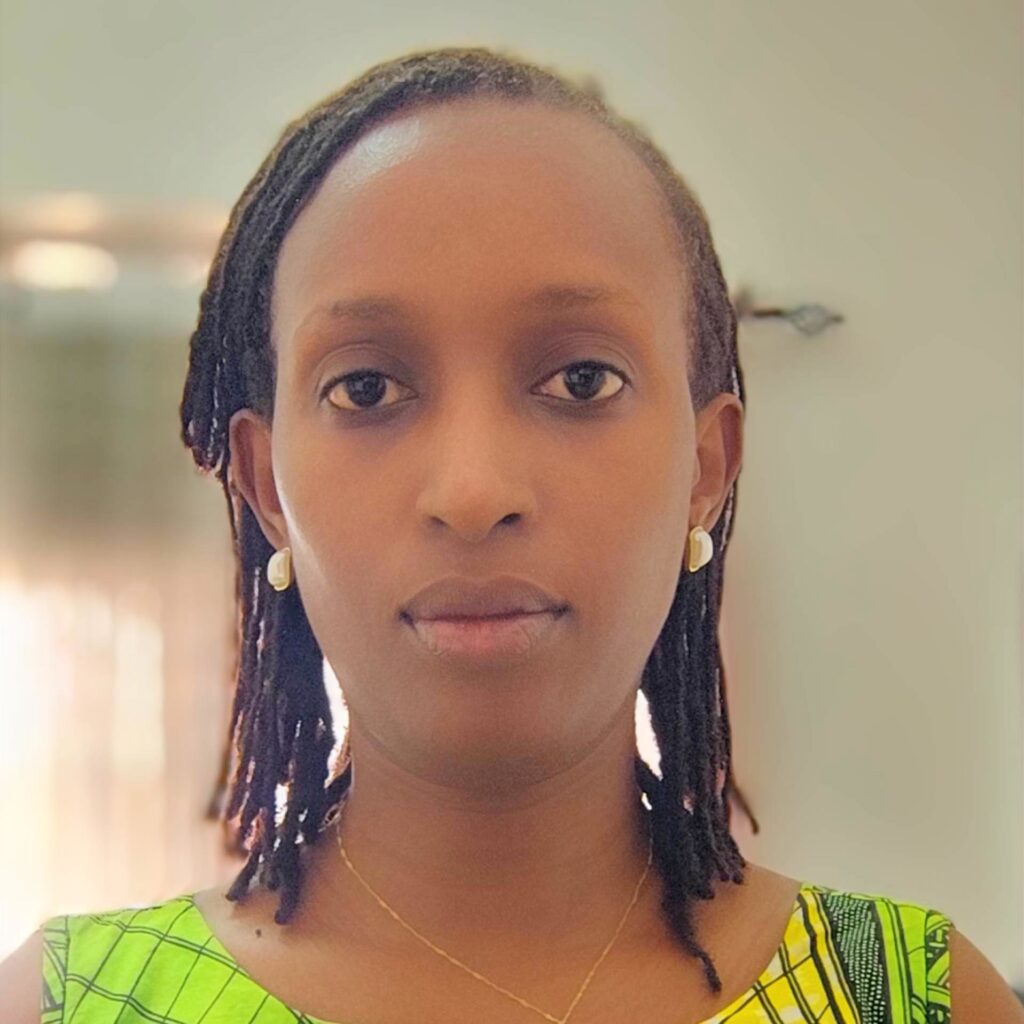
Annabelle Niyongabo, Burundi
Annabelle Niyongabo is a medical doctor with a diploma on medical care of HIV/AIDS and a master’s in public health, specializing in disease control. She is a community-based research project manager for ANSS-Santé PLUS, a community-based organization in Burundi, and Coalition PLUS, an international union of community based organizations. She is an investigator in Central Africa IeDEA and her main fields of interest include HIV pre-exposure prophylaxis, antiretroviral therapy uptake, viral suppression, HIV-associated comorbidities, and sexual health.
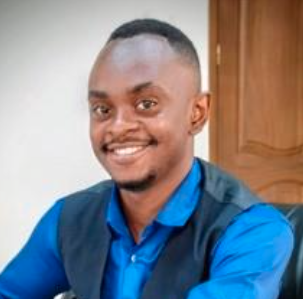
Gabriel Tchatchouang Mabou, Cameroon
Gabriel Tchatchouang Mabou is an epidemiologist and clinical project manager at Agence Nationale de Recherches sur le Sida, les hépatites virales et les Maladies Infectieuses Emergentes (ANRS-MIE) in Cameroon. He holds a master’s degree in public health and epidemiology from the University of Dschang, Cameroon and in project analysis and sustainable development from the university of Rennes, France. He is a CRENC fellow and former lead of the research ethics and data management unit in the same organization. He was also the co-coordinator of the CRENC-IeDEA capacity-building program in Cameroon.
For his FIMP research, he focused on “Factors associated with HIV status non-disclosure among people entering care at IeDEA sites in Cameroon: a cross-sectional study”, resulting in the publication of a peer-reviewed article in AIDS Research and Therapy and a presentation at an international conference on HIV/AIDS (12th edition of AFRAVIH 2024). The FIMP program enhanced his capacities by strengthening his research skills in authorship principles and equity, communication techniques for global collaboration and practical tips on manuscript writing. FIMP has also expanded his professional network and accelerated his transition towards research leadership.
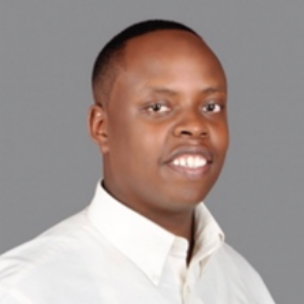
Eulade Rugengamanzi, Rwanda
Eulade Rugengamanzi earned his medical degree at the University of Rwanda and has a master’s in clinical oncology from Muhimbili University of Health and Allied Sciences (MUHAS) in Tanzania. He works with Research for Development Rwanda and Central Africa IeDEA. Dr. Rugengamanzi’s research focuses on improving outcomes for people with HIV and cancers in Rwanda, with a particular focus on breast and colorectal cancer burden.
For his FIMP project, he will study mortality and loss to follow-up of adolescents living with HIV on antiretroviral therapy in Rwanda.